The AI Revolution in Personalized Learning
The AI Revolution: How Personalized Learning is Shaping the Future of Education

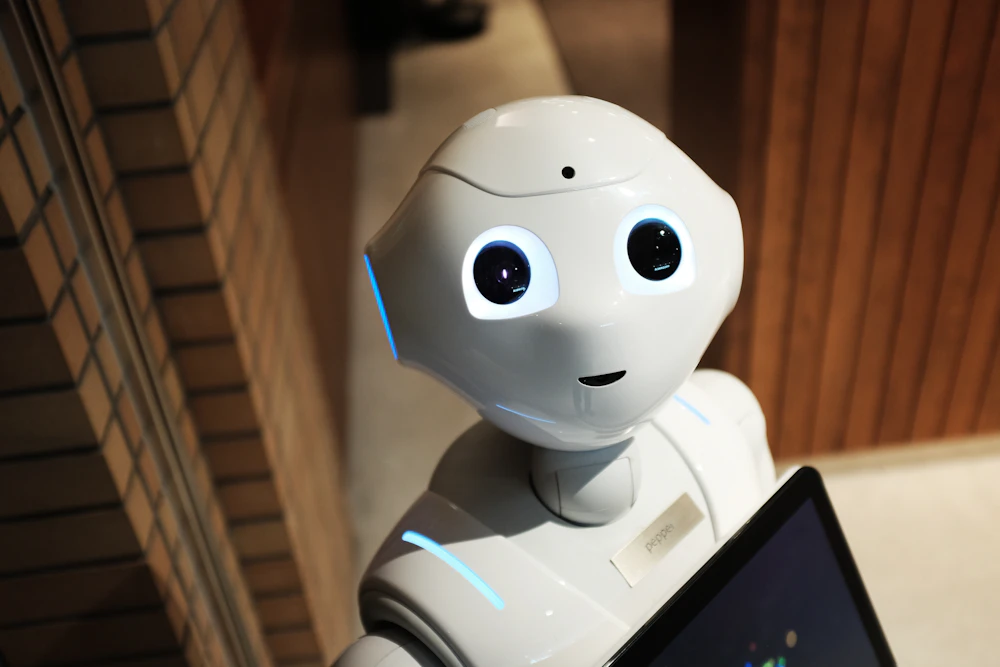
Image: Digital tools are transforming the modern study environment.
In 2026, the concept of a "one-size-fits-all" education is rapidly becoming a relic of the past. As EduHeTech continues to monitor the intersection of technology and academia, one trend stands out above the rest: Artificial Intelligence (AI) as a personal tutor.
For students, this means no longer falling behind because a lecture moved too fast. For professionals, it means a streamlined path to upskilling without the filler. But how exactly is this tech-driven shift impacting our cognitive development?
1. The Mechanics of Adaptive Learning
Traditional classrooms often teach to the "middle" of the class, leaving advanced students bored and struggling students confused. AI-driven platforms solve this through Adaptive Learning Algorithms.
- Knowledge Gap Identification: AI analyzes quiz results in real-time to pinpoint exactly where a student's understanding breaks down.
- Dynamic Content Delivery: If a student excels at visual data but struggles with text, the system prioritizes infographics and video modules.
- Spaced Repetition: Technology ensures that difficult concepts are revisited at scientifically optimized intervals to move information from short-term to long-term memory.
2. Why Professionals Should Care
In the fast-paced corporate world, "Micro-learning" is the new standard. Professionals can now use AI tools to:
- Summarize Complex Reports: Use LLMs to extract key action items from 50-page whitepapers.
- Skill Mapping: AI can analyze your current LinkedIn profile and suggest exactly which technical certifications you need to reach the next salary bracket.
- Language Acquisition: Real-time AI conversation partners allow professionals to practice business etiquette in foreign languages before a big international meeting.
3. Balancing Tech with Health
While we embrace these tools, EduHeTech reminds our readers that technology should augment, not replace, human interaction. Excessive reliance on AI can lead to "cognitive offloading," where we forget how to think critically for ourselves.
"The goal of educational technology is to free the human mind from rote memorization, allowing us to focus on creativity, empathy, and complex problem-solving."
Conclusion
The future of education is bright, personalized, and powered by data. Whether you are a student prepping for finals or a professional pivoting your career, the tools available today are more powerful than ever. The question is: Are you using them to their full potential?
Stay tuned to EduHeTech for our next post on maintaining physical health in a digital-first workplace!
Comments
Post a Comment